
Name the potential European crisis: heat domes, wildfires, civil unrest, and, the latest, cyberattacks, which in October and November spiked the temperatures in the freezers of two European grocery chains. To prepare people for a range of possible threats, the UK is reviving the tradition of the national public preparedness campaign after a more than 40-year hiatus.
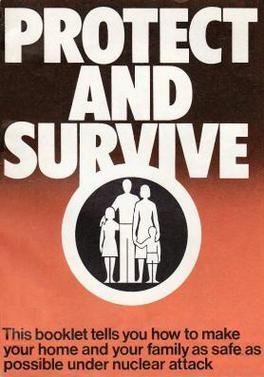
In 1980, at the height of the Cold War, the British government launched the Protect and Survive campaign that instructed people to hide under heavy furniture in the event of a nuclear attack. That campaign was very poorly received because hiding under heavy furniture wasn’t going to provide any protection against a nuclear attack, and people knew that.
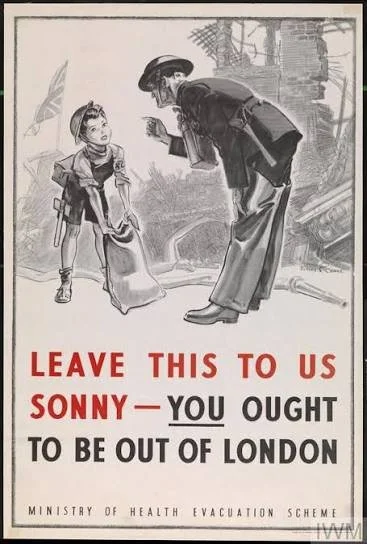
During World War II, Britain ran a much more effective readiness campaign to prepare people for air raids and invasion by the Nazis. That campaign taught people about bomb shelters, distributed more than 35 million gas masks to civilians, designated air raid wardens, launched a Home Guard of about 1.7 million volunteers, evacuated more than 1.5 million children from London, and promoted Victory gardens, food rationing, and women volunteership. This massive effort also generated slogans still popular today like Keep Calm and Carry on. During that campaign the government was very directive with citizens, telling them exactly how to resist in the event of invasion.
And now, that threats are mounting, the British government is getting back into the readiness campaign business. According to an article in CBC news, the National Cyber Security Centre (NCSC) is reporting that “AI-powered malicious software is ‘highly likely’ to be used in hacking attacks against the power stations, airports and hospitals in the U.K. within two years.” Europeans are also being affected by a string of bomb threats against airports and newsrooms. And there is worry about war with Russia.
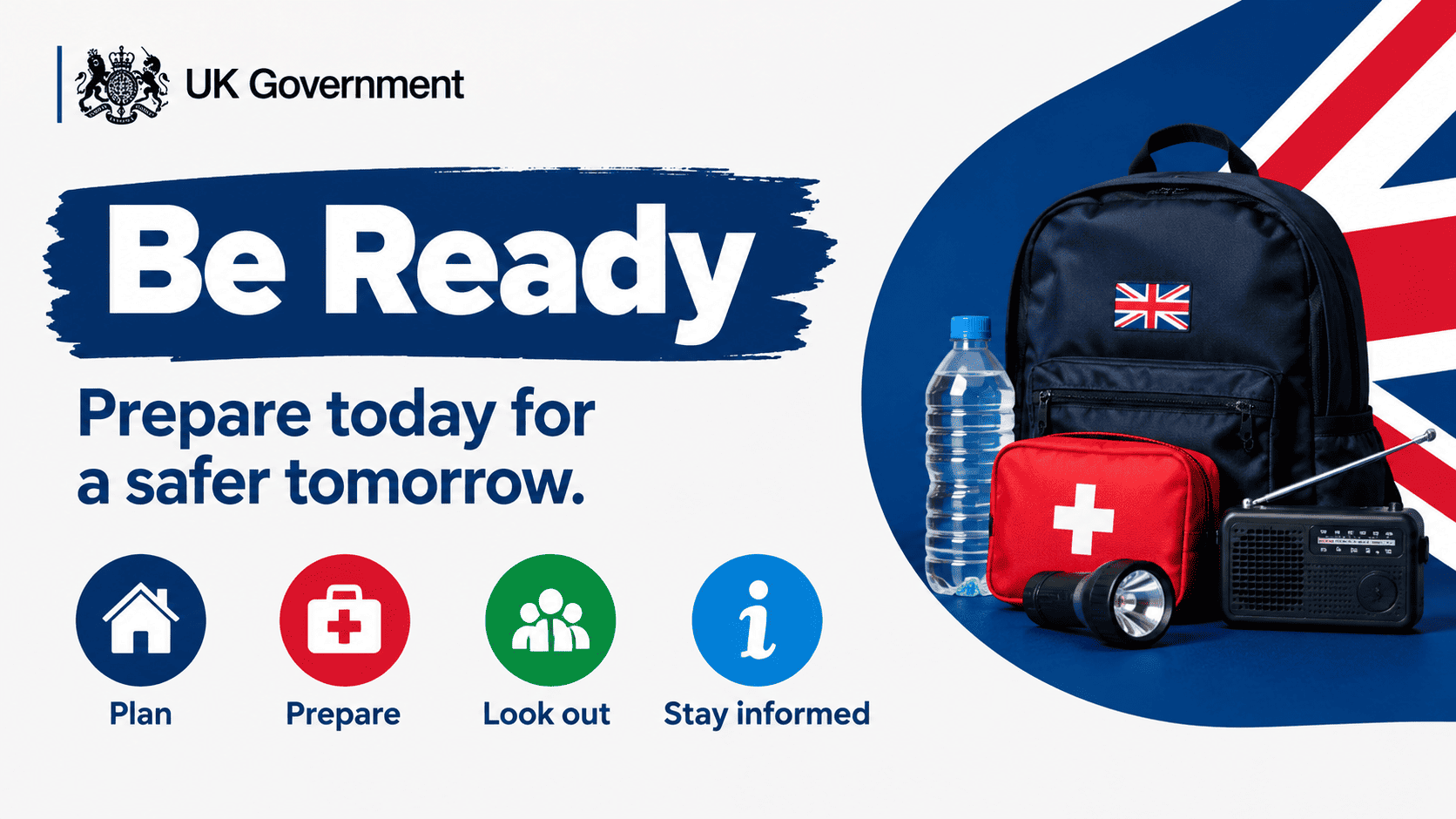
Be Ready
The new British readiness effort, which launched on October 22 and is called Be Ready, is intended to gently nudge Britons into increasing their self-sufficiency so that, in the event of a cyberattack on grocery store freezers, for example, people will have enough food to get by for three days. This number falls short of the Swedish recommendation of seven days of preparedness, the German recommendation of ten days, and the Prepare Your Community recommendation of two weeks (or four in earthquake country). Like Britain, Canada is recommending just three days of supplies.
The Be Ready campaign offers advice for disabled persons and their caretakers, about alerts and warnings, about risks depending on location (ranging from water disruptions to antimicrobial resistance), about coping with trauma, and about disruptions to the transportation system. It also provides a basic checklist of emergency supplies.
The campaign takes a soft approach, making gentle suggestions instead of offering a concrete plan. For example, the website says, ”You could play your part in your community by getting to know your neighbors. . . .” The campaign recommends that people volunteer for local organizations and swap contact information with neighbors.
Although still new, the campaign has already been widely criticized for advocating a three-day supply of food and water when 3.1 million Britons cannot afford to stockpile the necessary items. Others have criticized it for potentially igniting fear among the population, for asking Britons to protect themselves when the government isn’t doing enough to help people, and for only asking for three days of preparation.